Picture this: it's 7:15pm on a Wednesday in Nerang. Someone has just settled in to watch the new season of something they've been waiting three months for. The kids are on their tablets. Someone else in the house is on a video call. And the NBN - the National Broadband Network, the infrastructure project that was going to drag Australia screaming into the digital future - is delivering speeds that would have been considered mediocre in 2009. They're on a 100Mbps plan. They're getting 11. They paid for a sports car and received a shopping trolley with a wobbly wheel.
If this sounds familiar, you are not alone, you are not imagining it, and your router is not necessarily the problem. The issue starts earlier - right at the moment you chose your NBN plan, because the number on the tin and what comes out of the tin are two entirely different things. Let's talk about what the tiers actually mean, why they routinely fail to deliver, and what you can actually do about it.
The Speed Tier System - A Brief and Slightly Painful Explainer
NBN Co - the government-owned company that runs the network wholesale - sells bandwidth to retail Internet Service Providers like Telstra, Optus, and Aussie Broadband. Those ISPs then package it up, slap a name on it, and sell it to you. The tier names have changed over the years but the current residential tiers you'll see advertised look roughly like this:
| Tier Name | Max Download | Max Upload | Who It's Actually For |
|---|---|---|---|
| NBN 25 | 25 Mbps | 5 Mbps | One person, light use, or a household that enjoys arguments |
| NBN 50 | 50 Mbps | 20 Mbps | Small household, moderate streaming and working from home |
| NBN 100 | 100 Mbps | 20 Mbps | Busy households, multiple 4K streams, video calls |
| NBN 250 | 250 Mbps | 25 Mbps | Power users, home offices, people who gave up compromising |
| NBN 1000 | 1000 Mbps | 50 Mbps | Available on FTTP only - and yes, that upload speed is a joke |
The first thing to notice is that those are maximum speeds. Not guaranteed speeds. Not average speeds. The absolute theoretical ceiling, achieved under ideal conditions, which in Australian residential NBN terms means approximately never. The word "up to" is doing an enormous amount of heavy lifting in every NBN advertisement ever made.
Typical Evening vs. Rated Speed - NBN 100 Plan
Illustrative typical speeds on a rated 100 Mbps NBN plan - your actual results depend heavily on which ISP you're with.
Why Your 100Mbps Plan Delivers 11Mbps at Dinner Time
Here is where it gets interesting - and by interesting I mean quietly infuriating once you understand it. Your ISP buys a certain amount of bandwidth from NBN Co to serve their entire customer base. If they don't buy enough - and plenty of them don't, because bandwidth costs money and keeping prices competitive is the whole game - then at peak hours, everyone on that network is sharing a smaller pipe than the one they were sold.
This is called Connectivity Virtual Circuit (CVC) congestion, and it is the single biggest reason your NBN speed drops off a cliff between 6pm and 10pm. The NBN plan you're on determines your theoretical maximum. Your ISP's purchasing decisions determine what you actually get when half your street sits down for Netflix simultaneously. It's not your router. It's not your devices. It's a spreadsheet decision made in a corporate office that you will never see.
Tip: Run a speed test at 11am on a Tuesday, then again at 7:30pm on a Friday. If the difference is dramatic - say, more than 40% drop in download speed - your ISP is under-provisioning their CVC capacity. That's on them, not your equipment, and it's worth calling them out on it or switching providers.
Your Connection Type Matters More Than Your Tier
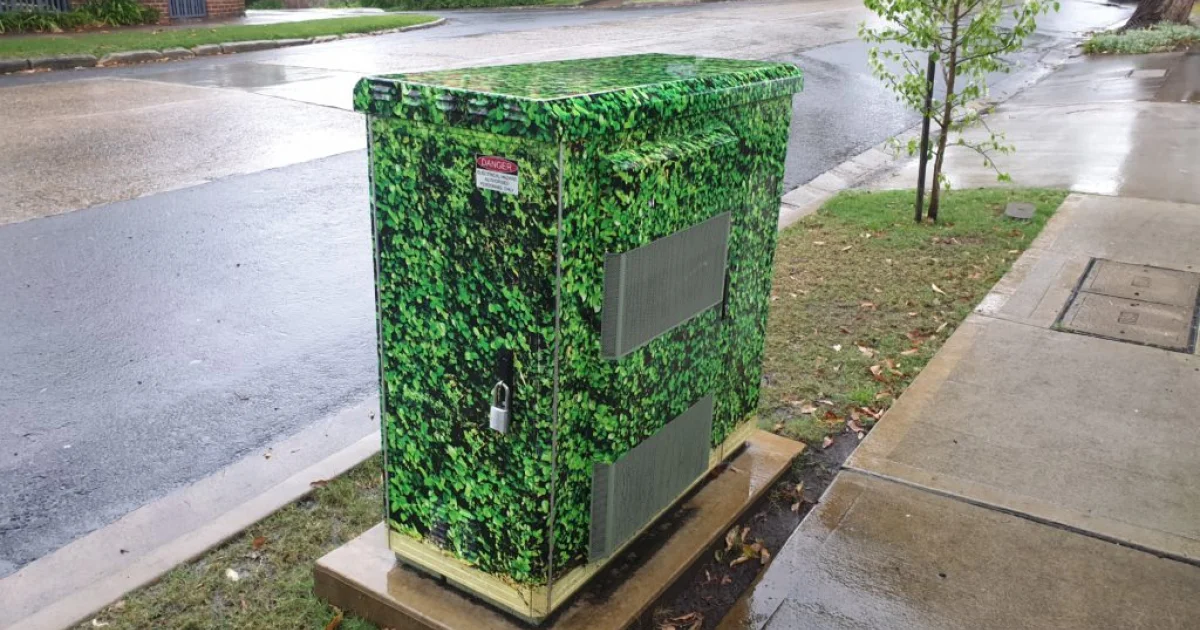
Before you ring up and upgrade from NBN 50 to NBN 100, there is something you need to know: if you're on FTTN (Fibre to the Node), the copper wire running from that green cabinet on your street corner to your house might physically be incapable of delivering your full plan speed. It depends on how far you are from the node and what state that copper is in. Which, on the Gold Coast, after years of humidity, salt air, and the occasional flood, can be anywhere from "manageable" to "a historical artefact."
FTTP (Fibre to the Premises) is a completely different story - the fibre comes directly to your house, and the speed tiers actually mean something close to what they say. If you're fortunate enough to be on FTTP, or if you've been upgraded (many Gold Coast suburbs are rolling through the NBN Co upgrade program now), then moving up a tier is a genuine upgrade. If you're still on FTTN, check your line sync speed first - because paying for NBN 100 on a connection that physically tops out at 65Mbps is just donating money to your ISP.
What Each Tier Actually Handles in a Real Household
The marketing material for NBN plans is wonderfully vague. "Great for streaming!" Cool. How many streams? What resolution? Are we counting the person working from home, or the kid doing homework, or the smart TV that's decided to download a firmware update in the background? Let's be specific:
Real-world capacity of each NBN residential tier - based on what they actually handle, not what the brochure says.
ISP Choice: This Is Where Your Speed Actually Lives
We cannot say this clearly enough: the ISP you choose matters more than the tier you pick, at least within reason. Aussie Broadband has consistently topped independent speed testing in Australia for evening performance - their approach of buying more CVC capacity than they strictly need to is a business decision that directly benefits customers. Telstra and Optus are competent at the premium end. Some budget ISPs are, to put it diplomatically, optimistic about how far they can stretch their infrastructure investment.
The ACCC publishes a Measuring Broadband Australia report periodically, and it names names. It is worth fifteen minutes of your time before you sign a 24-month contract. Switching ISPs is far less painful than most people expect - typically a two-week process and your NBN connection itself doesn't change, just who's billing you for it.
Tip: Before blaming your plan tier for slow speeds, run fast.com or speedtest.net at 11am and 8pm on three separate days and record the results. If daytime speeds hit close to your plan maximum but evening speeds tank by more than 30%, call your ISP and specifically reference "CVC congestion" and "evening speed performance." That phrase will get you further than "my internet is slow" every single time.
When the Problem Actually Is Your Equipment
We spend a lot of time in people's homes identifying that the ISP is the problem. But sometimes - and we say this with the full weight of people who have pulled routers out from behind televisions and found them running at 68 degrees celsius with a cable draped over the vents - sometimes it really is the router.
If your ISP provides a modem-router combo and it was manufactured in 2018, it might not be physically capable of passing through your full NBN 100 speeds to your Wi-Fi devices. Consumer routers provided free by ISPs are not flagship hardware. The chipset in that white plastic box has a ceiling too. Pair that with a 2.4GHz Wi-Fi connection on a congested channel in a dense suburb, and you've stacked three separate bottlenecks before the internet even gets to your laptop. We've seen a house in Pimpama where every family member was complaining about slow internet, the NBN was delivering 98Mbps to the router, and a $40 network cable from Officeworks Bundall solved it entirely. Sometimes the answer is boring. It's still the right answer.